

Neocaridina Shrimp
-
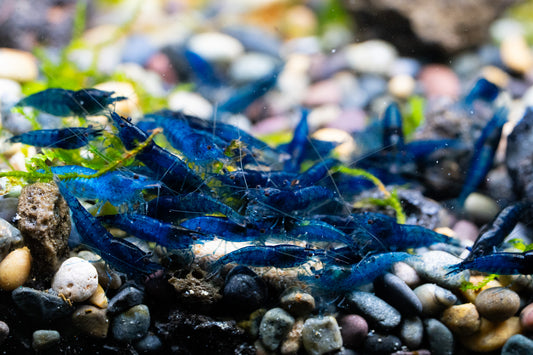
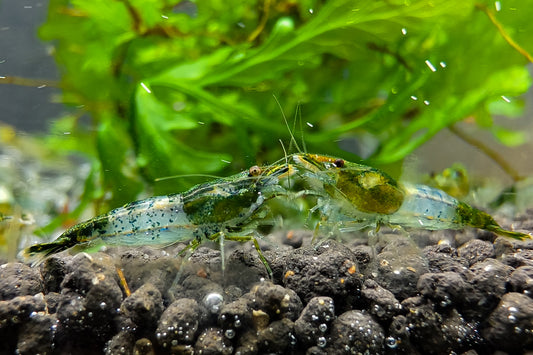
Blue Dream Neocaridina Shrimp
Vendor:Tropicflow's ShirmpRegular price From $40.00 USDRegular priceUnit price per -
Mixed High Grade Neocaridina Shrimp
Vendor:Tropicflow's ShirmpRegular price From $35.00 USDRegular priceUnit price per -
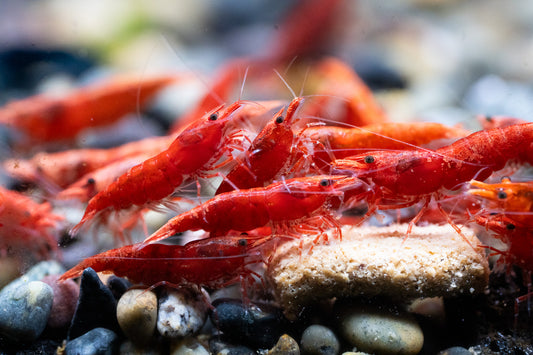
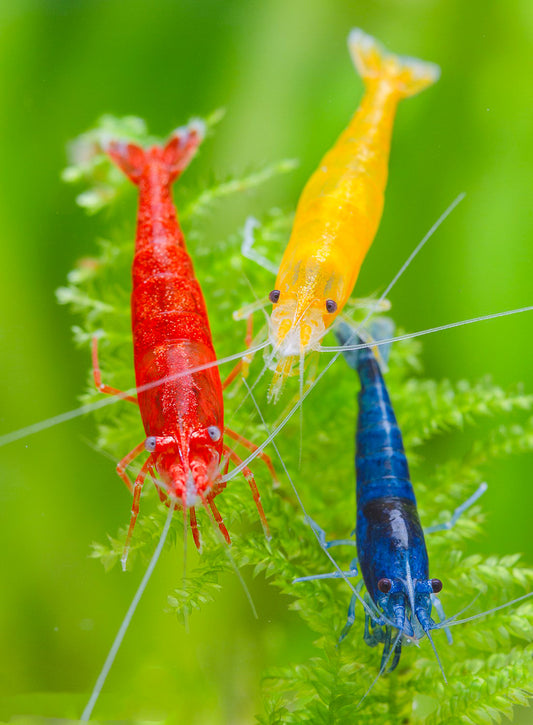
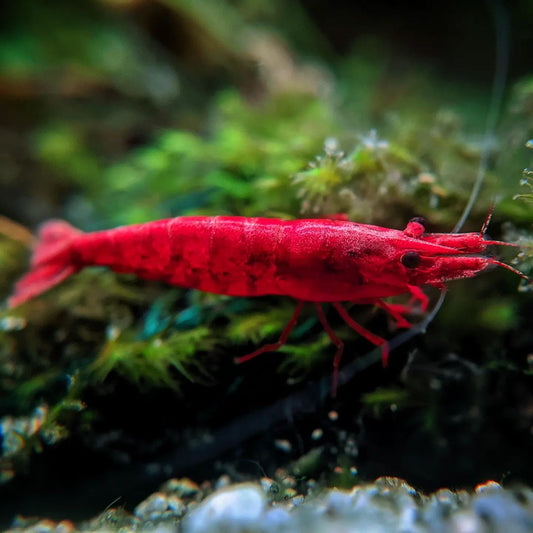
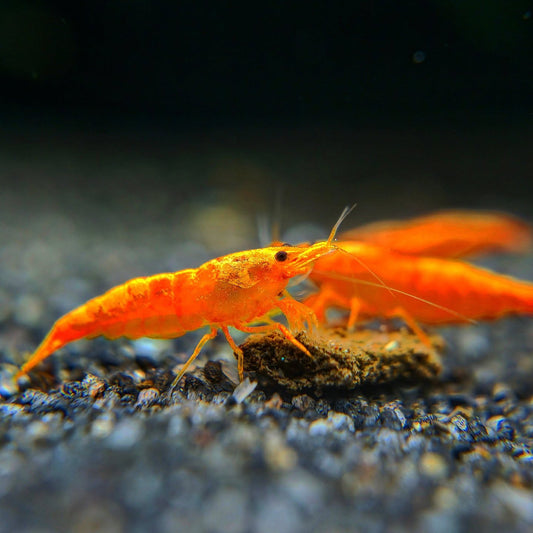
Fire Red Neocaridina Shrimp
Vendor:Tropicflow's ShirmpRegular price From $45.00 USDRegular priceUnit price per -
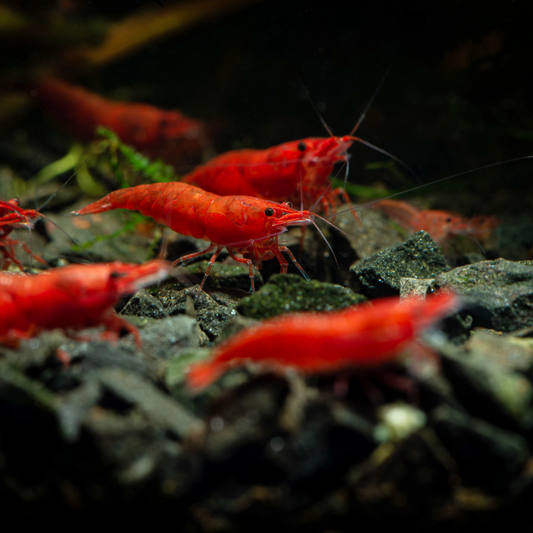
Red Cherry Neocaridina Freshwater Shrimp
Vendor:Tropicflow's ShirmpRegular price From $40.00 USDRegular priceUnit price per -
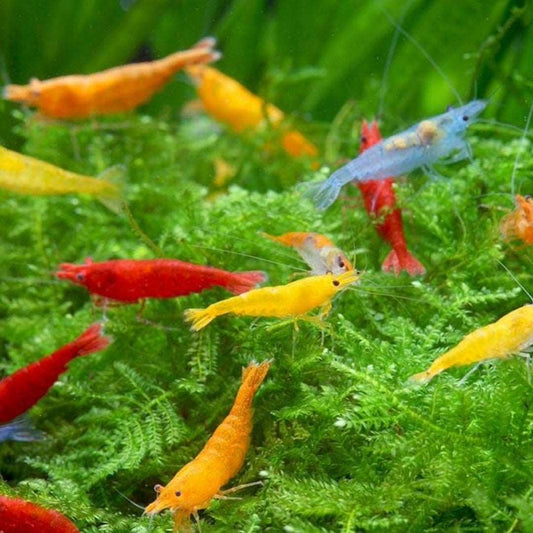
Rainbow Pack Neocaridina Shrimp
Vendor:Tropicflow's ShirmpRegular price From $45.00 USDRegular priceUnit price per -
Blue Jelly Neocaridina Shrimp
Vendor:Tropicflow's ShirmpRegular price From $45.00 USDRegular priceUnit price per -
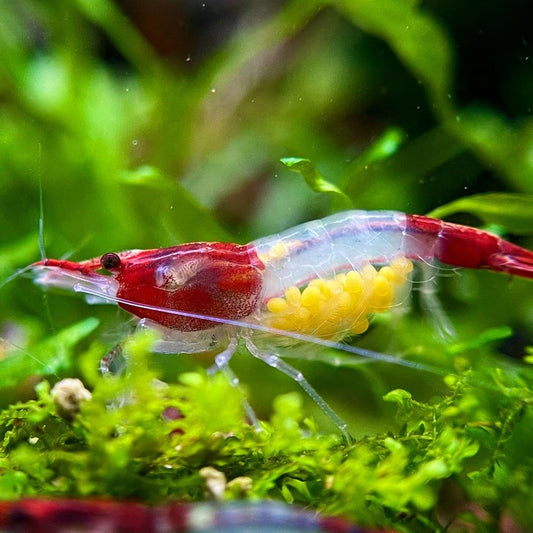
Red Rili Neocaridina Shrimp
Vendor:Tropicflow's ShirmpRegular price From $35.00 USDRegular priceUnit price per -
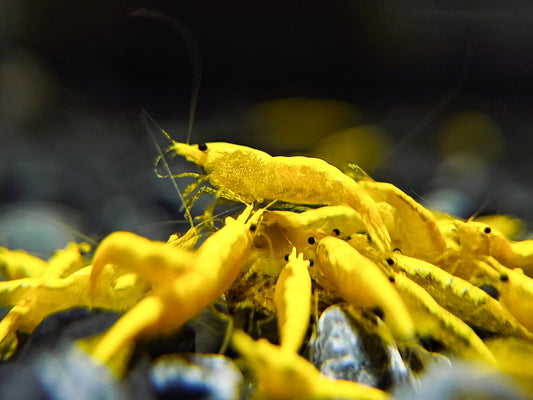
Yellow Golden Back Neocaridina Shrimp
Vendor:Tropicflow's ShirmpRegular price From $40.00 USDRegular priceUnit price per -
Orange Pumpkin Spice Sakura Neocaridia Shrimp
Vendor:Tropicflow's ShirmpRegular price From $45.00 USDRegular priceUnit price per -
Golden Neocaridina Shrimp
Vendor:Tropicflow's ShirmpRegular price From $40.00 USDRegular priceUnit price per -
Green Jade Neocaridina Shrimp
Vendor:Tropicflow's ShirmpRegular price From $80.00 USDRegular priceUnit price per -
Bloody Mary Neocaridina Shrimp
Vendor:Tropicflow's ShirmpRegular price From $80.00 USDRegular priceUnit price per -
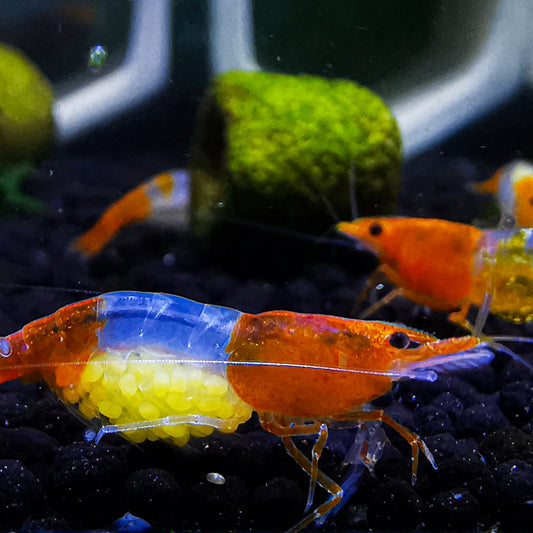
Orange Rili Neocaridina Shrimp
Vendor:Tropicflow's ShirmpRegular price From $45.00 USDRegular priceUnit price per -
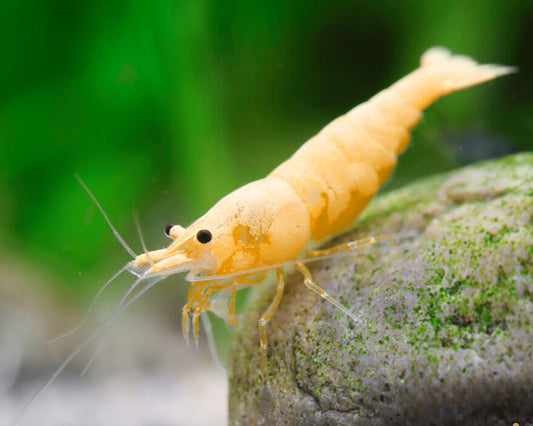
Creamy Neocaridina Shrimp
Vendor:Tropicflow's ShirmpRegular price From $40.00 USDRegular priceUnit price per -
Blue Sapphire Dream Neocaridina Shrimp
Vendor:Tropicflow's ShirmpRegular price From $80.00 USDRegular priceUnit price per -
Orange Sunkist Neocaridina Shrimp
Vendor:Tropicflow's ShirmpRegular price From $50.00 USDRegular priceUnit price per -
Snowball Neocaridina Shirmp
Vendor:Tropicflow's ShirmpRegular price From $45.00 USDRegular priceUnit price per -
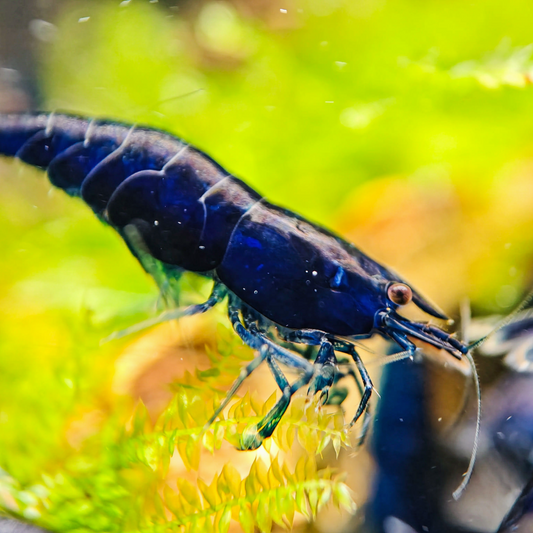
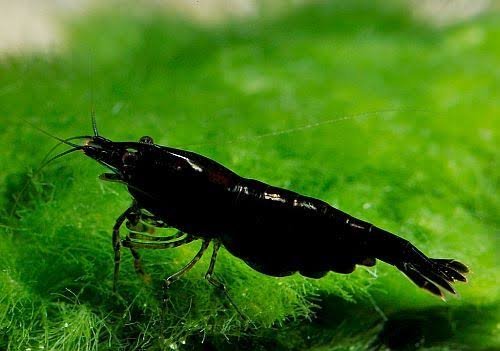
Black Chocolate Neocaridina Shrimp
Vendor:Tropicflow's ShirmpRegular price From $50.00 USDRegular priceUnit price per -
Golden Stardust Neocaridina Shrimp – Premium Grade
Vendor:Tropicflow's ShirmpRegular price From $80.00 USDRegular priceUnit price per -
 Sold out
Sunburst Neocaridina Shrimp
Vendor:Tropicflow's ShirmpRegular price From $80.00 USDRegular priceUnit price per -
Ultra Gold Neocaridina Shrimp
Vendor:Tropicflow's ShirmpRegular price From $80.00 USDRegular priceUnit price per -

 Sold out
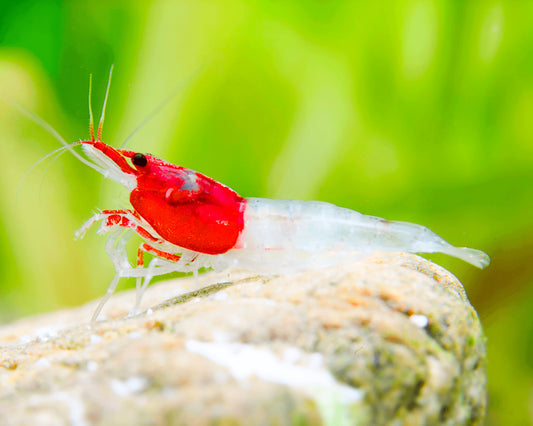
Red Head Rili Neocaridina Shrimp
Vendor:Tropicflow's ShirmpRegular price From $80.00 USDRegular priceUnit price per -
Green Rilli Neocaridina Shrimp
Vendor:Tropicflow's ShirmpRegular price From $80.00 USDRegular priceUnit price per -
Dark Bloody Mary Neocaridina Freshwater Shrimp
Vendor:Tropicflow's ShirmpRegular price From $80.00 USDRegular priceUnit price per























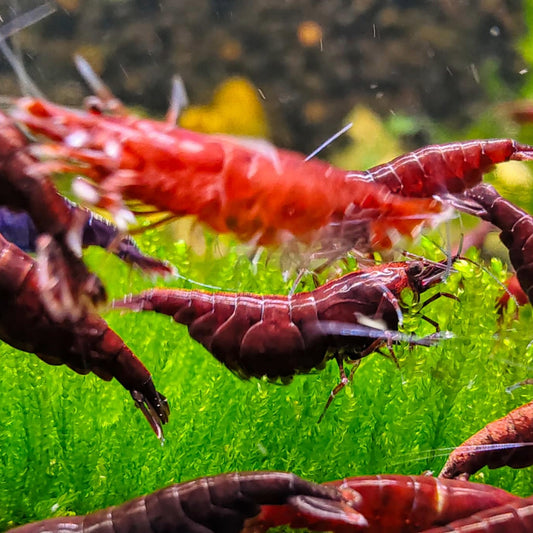
Neocaridina Shrimp FAQs
Are Neocaridina shrimp good for beginners?
Neocaridina shrimp can be a good first shrimp when the aquarium is mature and water conditions are stable. Prepare and test the tank before buying them; their reputation for hardiness does not mean they can safely enter a newly set-up aquarium.
What water parameters do Neocaridina shrimp need?
For common Neocaridina davidi color varieties, practical starting targets are 72–78°F (22–26°C), pH 6.5–7.5, GH 6–10 dGH, and KH 3–6 dKH. Keep ammonia and nitrite undetectable. Check the selected variety’s care guidance and prioritize stability. These targets do not apply to every freshwater shrimp species.
Can Neocaridina shrimp live in tap water?
Yes, if the water is properly treated for chlorine and chloramine and tests within suitable, stable parameters. Test pH, GH, and KH rather than assuming local tap water is suitable. Very soft water or reverse-osmosis water may need an appropriate shrimp remineralizer.
What size tank is suitable for a Neocaridina colony?
A 10-gallon aquarium is a practical starting choice for a beginner colony because it offers more room and a larger water volume. Smaller tanks can work, but require closer attention to feeding, stocking, and water stability. Tank maturity matters as much as capacity.
Can I keep different Neocaridina colors together?
Yes, compatible color forms can share a tank. However, varieties of the same species can interbreed, and their offspring may lose the parents’ predictable colors over generations. Keep color lines separately if maintaining a particular appearance is your goal.
Can Neocaridina shrimp live with fish or bettas?
Some small, peaceful fish can coexist with adult shrimp, but even small fish may eat shrimplets. Bettas may hunt shrimp and are not reliably safe companions. A tank without fish is the safest choice when protecting a breeding colony is the priority.
What should I feed Neocaridina shrimp?
Provide suitable shrimp food alongside the biofilm and algae available in an established tank. Adjust portions and frequency to colony size and how much food remains. Remove uneaten food before it degrades water quality; one fixed weekly feeding schedule will not suit every tank.
Do Neocaridina shrimp need active aquasoil?
No. Inert sand or gravel can suit a Neocaridina aquarium. Some active aquasoils lower pH and KH, so select a substrate that fits your source water and intended parameters. A product marketed for shrimp is not automatically appropriate for every shrimp species.
How should I acclimate newly delivered shrimp?
Check the shipment promptly and follow the arrival instructions for your order. Acclimation should account for temperature, water differences, and the condition of the shipping water. Do not assume a fixed one-hour drip is suitable in every case. Contact Tropicflow if the instructions are missing or the shrimp arrive in distress.
Are Neocaridina and Caridina shrimp cared for in the same way?
No. Freshwater shrimp include species with different requirements. Many bee and crystal Caridina prefer softer, more acidic water than common Neocaridina varieties, while other Caridina have different needs. Check the species and its care requirements before combining shrimp or choosing a tank setup.
Freshwater Shrimp Blog
View all-
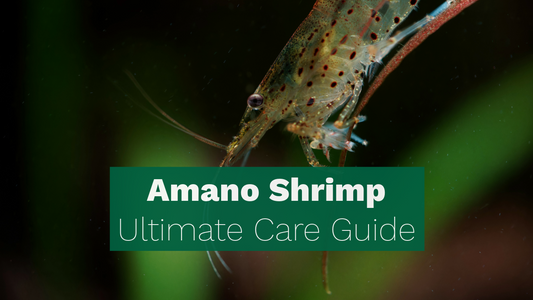
Amano Shrimp: Ultimate Care Guide – Everything ...
Amano shrimp (Caridina multidentata) are some of the most sought-after freshwater shrimp in the aquarium hobby. Their exceptional algae-eating abilities make them highly valuable in planted tanks.
Amano Shrimp: Ultimate Care Guide – Everything ...
Amano shrimp (Caridina multidentata) are some of the most sought-after freshwater shrimp in the aquarium hobby. Their exceptional algae-eating abilities make them highly valuable in planted tanks.
-
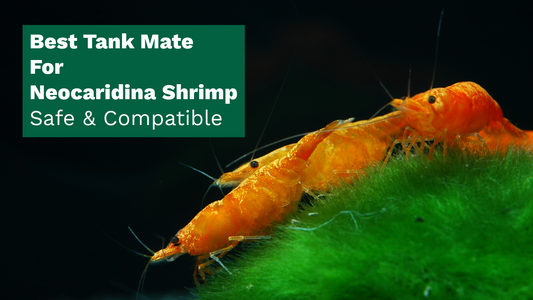
Best Tank Mates for Neocaridina Shrimp – Safe &...
Neocaridina shrimp, such as the popular Cherry Shrimp (Neocaridina davidi), are colorful, active, and easy to care for. These freshwater shrimp thrive in well-maintained tanks and make an excellent addition...
Best Tank Mates for Neocaridina Shrimp – Safe &...
Neocaridina shrimp, such as the popular Cherry Shrimp (Neocaridina davidi), are colorful, active, and easy to care for. These freshwater shrimp thrive in well-maintained tanks and make an excellent addition...
-
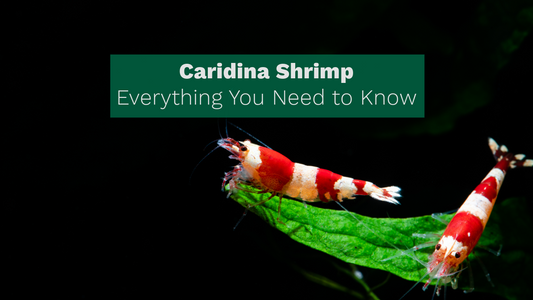
Caridina Shrimp: Everything You Need to Know – ...
Caridina shrimp are some of the most beautiful and delicate freshwater shrimp species available in the aquarium hobby. Known for their vibrant colors, intricate patterns, and unique care requirements, these...
Caridina Shrimp: Everything You Need to Know – ...
Caridina shrimp are some of the most beautiful and delicate freshwater shrimp species available in the aquarium hobby. Known for their vibrant colors, intricate patterns, and unique care requirements, these...
