Crowntail Male Betta Fish Collection – Tropicflow
  • Send Us a Message
  • ReelUp tracking pixel Read the Privacy Policy
    Skip to content

    Crowntail Male Betta Fish Collection

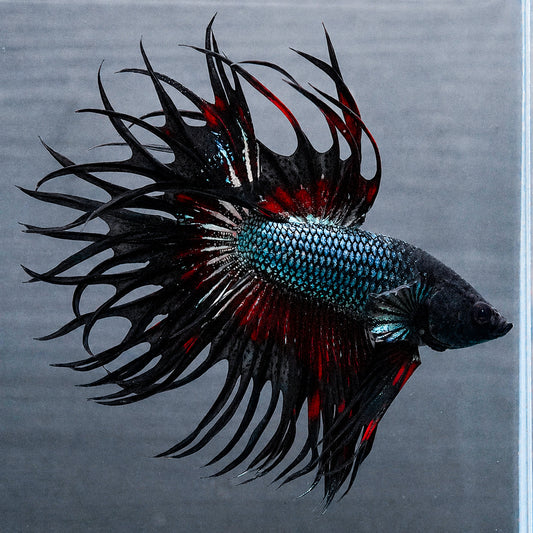
    Discover the elegance of our Crowntail Male Betta Fish Collection, where each Betta showcases the spectacular finnage that makes Crowntails highly sought after. These Betta Fish are celebrated for their vivid colors and dramatic, flowing tails that resemble a royal crown. Perfect for enthusiasts and beginners alike, our collection promises to bring a touch of regal beauty to your aquarium.

    Crowntail Betta Fish: A Unique Betta with Spiky Fins and Bold Personality

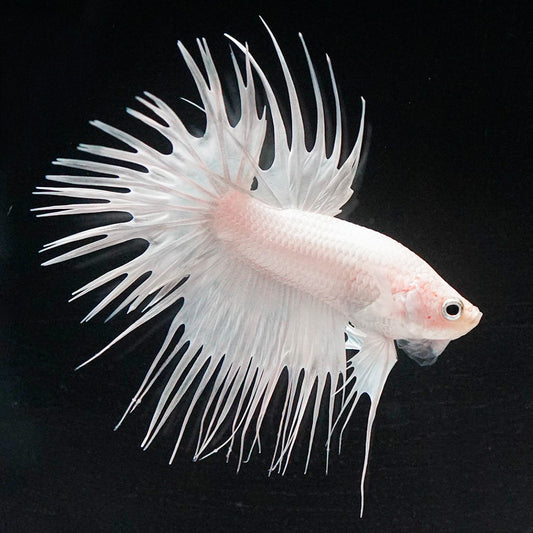
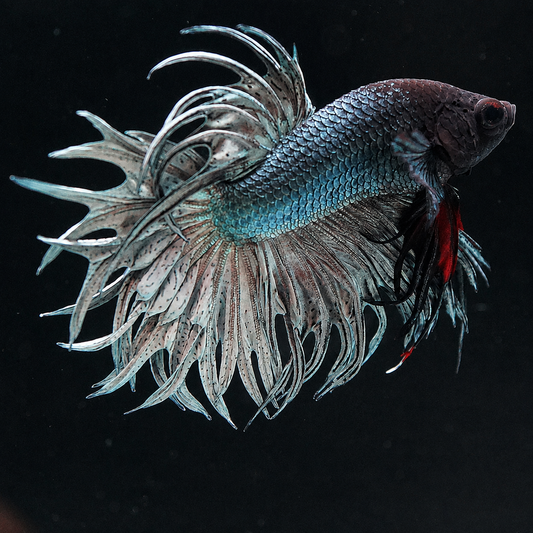
    Crowntail Betta Fish are one of the most recognizable Betta varieties in the aquarium hobby. Unlike traditional long-finned Bettas with smooth flowing edges, Crowntail Bettas are known for their dramatic spiky fins created by reduced webbing between the fin rays.

    This distinctive fin shape gives Crowntail Betta Fish a bold, exotic appearance that stands out immediately in any aquarium.

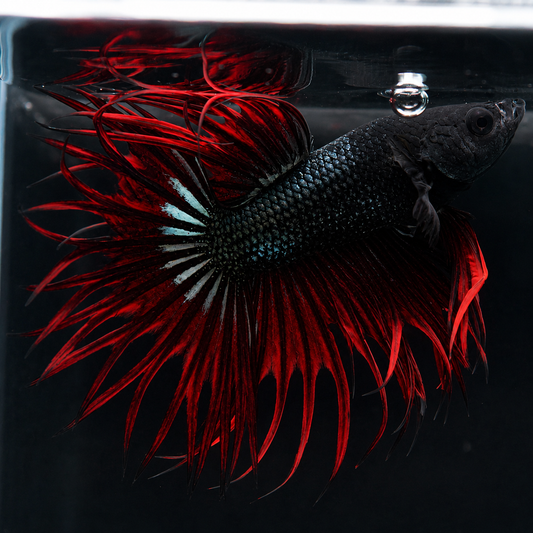
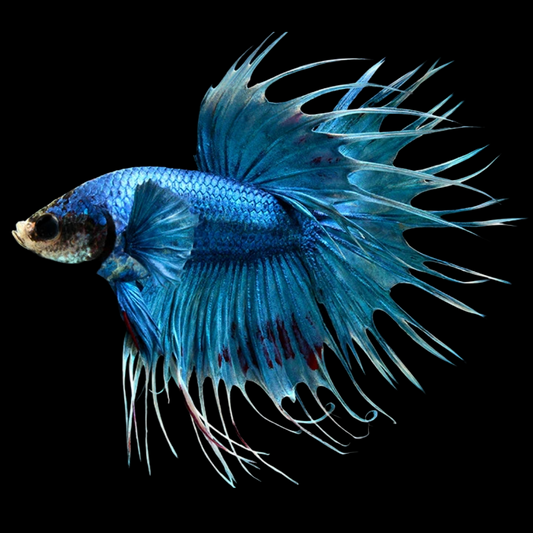
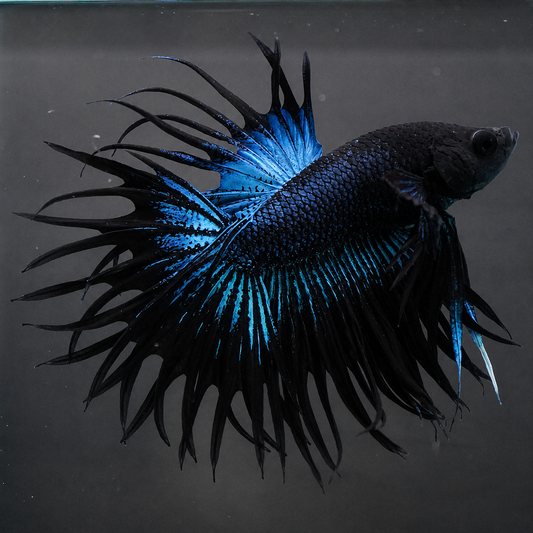
    At Tropicflow Aquatic, our Crowntail Betta Fish collection may include a variety of colors and patterns such as red, blue, black, copper, and other selectively bred Crowntail Bettas.

    What Is a Crowntail Betta Fish?

    A Crowntail Betta Fish is a selectively bred form of Betta splendens known for its signature ray extension.

    The spiky appearance comes from reduced webbing between the rays of the fins, especially on the tail. This creates the β€œcrown” effect that gives the Crowntail Betta its name.

    Crowntail Bettas remain one of the most popular fin types because they combine:

    • A dramatic fin shape
    • Strong visual texture
    • Elegant movement
    • A distinct silhouette
    • Wide color variety
    • Classic Betta personality

    Although the tail is the most noticeable feature, the anal fin and dorsal fin can also show extended rays that contribute to the overall Crowntail look.

    Why Are Crowntail Betta Fish So Popular?

    Crowntail Betta Fish are popular because their fin structure looks different from nearly every other common Betta type.

    Instead of broad smooth fins like a Halfmoon Betta, Crowntails have separated rays that create a sharper, more sculpted appearance.

    Many Betta keepers enjoy Crowntails because they offer:

    • A more dramatic and exotic look
    • Strong display presence
    • Wide availability in many colors
    • A balance between finnage and structure
    • A distinctive alternative to Halfmoon or Plakat Bettas

    Crowntail Bettas are especially attractive for aquarists who want a long-finned Betta with more texture and edge.

    Crowntail Betta Fish vs. Other Betta Types

    Crowntail Bettas are still Betta splendens, but their fin structure gives them a very different appearance compared with other popular Betta varieties.

    Compared with a Halfmoon Betta, a Crowntail has a more spiky and open tail structure rather than a smooth fan shape.

    Compared with a Plakat Betta, a Crowntail usually has much longer finnage and a more ornamental appearance.

    Compared with a Veiltail Betta, a Crowntail has more pronounced ray extension and a far more dramatic tail outline.

    This makes Crowntail Betta Fish a great choice for hobbyists who want a Betta with a unique silhouette and strong visual impact.

    Crowntail Male Betta Fish

    Crowntail Male Betta Fish are particularly popular because of their bold finnage, strong coloration, and impressive display behavior.

    A healthy male Crowntail Betta may flare when he sees another male Betta, his reflection, or something he interprets as a rival.

    During a flare, the fish may expand his fins, spread his operculum, and display the full structure of his tail and rays.

    However, a healthy Crowntail should not spend all day flaring.

    A comfortable Crowntail Male Betta should also spend time:

    • Exploring the aquarium
    • Resting near the surface
    • Swimming around plants and decorations
    • Looking for food
    • Investigating the tank environment

    Like other male Bettas, Crowntail males should be housed individually.

    Popular Crowntail Betta Fish Colors

    Crowntail Betta Fish are available in many colors and patterns.

    Depending on availability, common and desirable varieties may include:

    Red Crowntail Betta Fish

    Red Crowntail Bettas are bold, vibrant, and eye-catching.

    A strong red body paired with extended spiky fins creates a dramatic centerpiece fish.

    Blue Crowntail Betta Fish

    Blue Crowntail Bettas may display royal blue, steel blue, or turquoise tones depending on genetics and lighting.

    Blue Crowntails are a classic and highly popular choice.

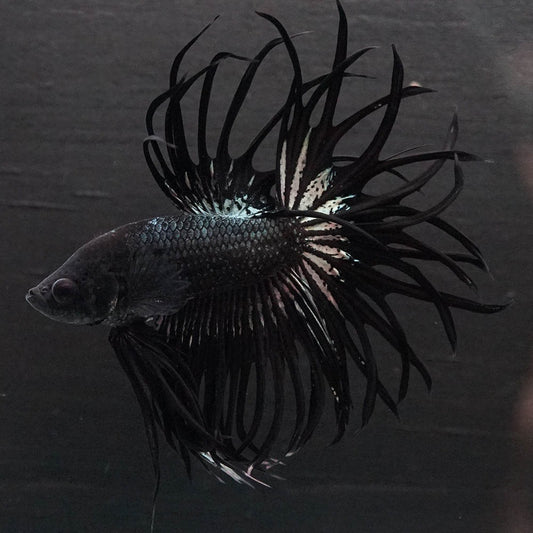
    Black Crowntail Betta Fish

    Black Crowntail Bettas create a darker, more dramatic look.

    Their bold silhouette and deeper coloration can be especially impressive in planted aquariums.

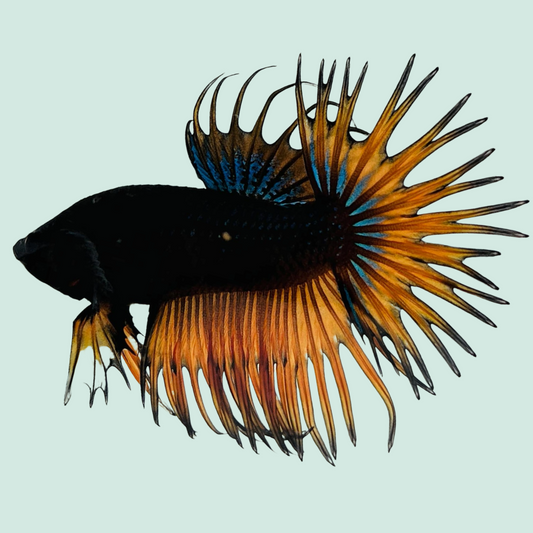
    Copper Crowntail Betta Fish

    Copper Crowntail Bettas may show metallic bronze, gold, or copper tones under aquarium lighting.

    These fish are a great option for hobbyists looking for a more unusual metallic Crowntail.

    Multicolor Crowntail Betta Fish

    Multicolor Crowntail Bettas may combine several colors across the fins and body.

    Each fish can develop a different pattern, making individually selected fish especially attractive to collectors.

    Crowntail Betta Fish Size

    Crowntail Betta Fish generally remain similar in body size to other domestic Betta splendens.

    Adult size may vary depending on genetics, age, sex, diet, and husbandry, but most Crowntails are best understood as standard-sized domestic Bettas with a unique fin form.

    Because their fin rays are extended and the tail appears more open, some Crowntail Bettas may look visually larger than they really are.

    Crowntail Betta Fish Tank Size

    A properly prepared aquarium is one of the most important parts of successful Crowntail Betta care.

    For a single Crowntail Betta Fish, a tank of at least 5 gallons is recommended. Larger aquariums can provide more stable water conditions, more swimming room, and more flexibility for plants and aquascaping.

    A suitable Crowntail Betta aquarium should provide:

    • Warm stable water
    • Gentle water flow
    • Clean conditions
    • Easy access to the surface
    • Resting places
    • Hiding areas
    • A secure lid

    Because Crowntail Bettas have long delicate fins, avoid overly strong current that may make swimming unnecessarily difficult.

    Crowntail Betta Fish Water Parameters

    Stable water quality is critical for Crowntail Betta Fish.

    Recommended general care targets include:

    • Tank Size: 5 gallons or larger
    • Temperature: Approximately 78–80Β°F
    • pH: Approximately 6.5–7.5
    • Ammonia: 0 ppm
    • Nitrite: 0 ppm
    • Nitrate: Keep low
    • Water Flow: Gentle
    • Tank Cover: Recommended

    Consistent, clean water is more important than constantly chasing a perfect number.

    A cycled aquarium with stable temperature and good maintenance is the best foundation for keeping a Crowntail healthy.

    Do Crowntail Betta Fish Need a Heater?

    Yes, in most homes in the United States, Crowntail Betta Fish should have a heater.

    Betta splendens are tropical fish and do best in warm, stable water.

    Use an appropriately sized heater and thermometer, and always verify the actual water temperature.

    Temperature swings can cause stress, especially after shipping or during seasonal weather changes.

    Do Crowntail Betta Fish Need a Filter?

    Yes.

    A Crowntail Betta aquarium should have filtration to help maintain good water quality.

    However, the flow should remain gentle.

    Because Crowntails have long delicate fins, excessive current can be stressful and may cause the fish to struggle unnecessarily.

    Good options may include:

    • Sponge filters
    • Gentle adjustable filters
    • Low-flow hang-on-back filters
    • Planted setups that help reduce current

    The goal is clean water without creating an overly strong current.

    Best Plants for Crowntail Betta Fish

    Crowntail Betta Fish do very well in planted aquariums.

    Good plant choices may include:

    • Anubias
    • Java fern
    • Cryptocoryne
    • Floating plants
    • Aquarium moss
    • Amazon sword in larger tanks

    Plants help create a calmer and more natural-looking environment while also giving the fish places to rest and explore.

    Broad leaves are especially useful because Bettas often rest on them near the water surface.

    Indian Almond Leaves for Crowntail Bettas

    Indian almond leaves are commonly used in Betta aquariums.

    As they break down, they release tannins into the water and can create a more natural botanical appearance.

    Many hobbyists like using Indian almond leaves because they pair well with:

    • Live plants
    • Driftwood
    • Dark substrate
    • Botanical-style aquascapes

    They are optional, but many Betta keepers enjoy them as part of a more natural setup.

    What Do Crowntail Betta Fish Eat?

    Crowntail Betta Fish should receive a high-quality, protein-rich diet.

    Suitable foods may include:

    • High-quality Betta pellets
    • Frozen brine shrimp
    • Daphnia
    • Appropriate frozen foods
    • Bloodworms as an occasional treat
    • Suitable live foods

    Feed according to the fish's body condition and activity level.

    Avoid overfeeding, as excess food can lead to digestive issues and poor water quality.

    Can Crowntail Male Betta Fish Live Together?

    No.

    Crowntail Male Betta Fish should not be housed together.

    Like other male Betta splendens, they are territorial and may fight if kept in the same aquarium.

    Each male should be given his own tank.

    Can Crowntail Betta Fish Live With Other Fish?

    Some Crowntail Bettas may tolerate peaceful tank mates in an appropriately sized aquarium, while others may be too territorial.

    Temperament varies from fish to fish.

    If attempting a community setup, choose tank mates carefully and provide:

    • Plenty of plants
    • Hiding areas
    • Visual barriers
    • Adequate tank space
    • A backup plan if aggression develops

    When in doubt, a Crowntail Betta can thrive beautifully as the centerpiece fish in a species-focused aquarium.

    Crowntail Betta Fish After Shipping

    It is normal for a Crowntail Betta Fish to look somewhat stressed immediately after shipping.

    Temporary signs of shipping stress may include:

    • Faded color
    • Clamped fins
    • Reduced appetite
    • Resting more than usual
    • Hiding
    • Lower activity

    Keep the tank lights low during the initial adjustment period and give the fish time to settle in.

    Do not pour shipping water directly into the aquarium.

    A stable, warm, clean tank will help the fish regain normal behavior and coloration.

    Buying Crowntail Betta Fish Online

    When shopping for Crowntail Betta Fish online, do not focus only on color.

    It is also important to look at:

    • Overall fin structure
    • Ray extension
    • Body condition
    • Fin condition
    • Symmetry
    • Activity level
    • The overall look of the fish

    If the listing allows you to choose the exact fish, this can be especially useful because Crowntail Bettas may vary significantly in ray separation, coloration, and finnage.

    Crowntail Betta Fish for Sale at Tropicflow Aquatic

    Tropicflow Aquatic offers a changing selection of Crowntail Betta Fish for sale online in the United States.

    Depending on availability, our Crowntail Betta collection may include:

    • Red Crowntail Betta Fish
    • Blue Crowntail Betta Fish
    • Black Crowntail Betta Fish
    • Copper Crowntail Betta Fish
    • Multicolor Crowntail Betta Fish
    • Other specialty Crowntail Betta varieties

    Our goal is to offer unique and visually striking Crowntail Bettas selected for quality, color, and overall appearance.

    Because availability changes regularly, many premium Crowntail Bettas may only be available in limited numbers.

    Crowntail Betta Fish FAQ

    What is a Crowntail Betta Fish?

    A Crowntail Betta Fish is a selectively bred Betta splendens known for its spiky fins caused by reduced webbing between the fin rays.

    Are Crowntail Bettas aggressive?

    Male Crowntail Bettas are territorial, just like other male Betta splendens, and should not be housed together.

    What size tank does a Crowntail Betta need?

    A tank of at least 5 gallons is recommended for a single Crowntail Betta Fish. Larger tanks can provide more stable water conditions and additional swimming space.

    Do Crowntail Bettas need a heater?

    Yes. Crowntail Bettas are tropical fish and should be kept in warm, stable water.

    Do Crowntail Bettas need a filter?

    Yes. Gentle filtration helps maintain water quality, but the current should not be too strong.

    Are Crowntail Bettas hard to care for?

    Crowntail Bettas are not especially difficult to care for, but they do require a properly cycled tank, warm water, stable parameters, and gentle flow.

    What do Crowntail Betta Fish eat?

    Crowntail Bettas should receive a protein-rich diet including quality Betta pellets and appropriate frozen or live foods.

    Can Crowntail Bettas live with other fish?

    Some individuals may tolerate peaceful tank mates, while others may not. Compatibility depends on temperament and aquarium setup.

    Why do Crowntail Bettas look spiky?

    Their fins look spiky because the webbing between the rays is reduced, allowing the rays to extend beyond the fin membrane.

    Where can I buy Crowntail Betta Fish?

    You can shop Crowntail Betta Fish for sale at Tropicflow Aquatic, including Crowntail Male Bettas in a variety of colors and specialty patterns when available.

    Crowntail Betta Fish FAQs

    What is a Crowntail Betta fish?

    A Crowntail Betta fish is a variety of Betta splendens known for its dramatic, crown-like fins. The fin rays extend beyond the webbing, creating the distinctive pointed or spiky appearance that gives the Crowntail its name.

    Crowntail Bettas are available in many colors and patterns, including red, blue, white, yellow, copper, black, multicolor, and metallic varieties. Male Crowntail Bettas usually develop longer and more dramatic fins than females.

    Like other domesticated Betta fish, Crowntails are tropical freshwater fish that require warm, clean water and an appropriately sized aquarium.

    How aggressive are Crowntail Bettas?

    Crowntail bettas are naturally territorial and aggressive, especially toward other male bettas or fish with similar appearance. They thrive best in a solitary tank.

    How do you breed Crowntail Betta fish?

    Breeding Crowntail Betta fish requires a healthy adult male and female, a dedicated breeding aquarium, warm water, proper conditioning, and careful supervision. The male typically builds a bubble nest at the water's surface before spawning.

    The male and female should first be conditioned with nutritious, protein-rich foods and introduced carefully. After spawning, the male collects the fertilized eggs and places them in the bubble nest. The female is normally removed after spawning, while the male guards the eggs until they hatch.

    Breeding Bettas requires experience because males and females can become aggressive toward each other. Fry also require specialized feeding, stable water conditions, and additional space as they grow.

    How big do Crowntail Betta fish get?

    Adult Crowntail Betta fish typically grow to about 2.5–3 inches (6–7.5 cm) in total length, although size can vary depending on genetics, sex, age, and nutrition. Male Crowntail Bettas often appear larger because of their long, dramatic fins and distinctive spiky tail rays.

    A healthy diet, stable water conditions, and adequate aquarium space help Crowntail Bettas reach their natural adult size.

    How long can a Crowntail Betta Fish live?

    Crowntail Betta fish typically live 2–5 years with proper care. Their lifespan depends on genetics, water quality, diet, temperature, stress levels, and overall aquarium conditions. Keeping your Crowntail Betta in clean, warm water at around 76–82Β°F (24–28Β°C) and feeding a high-quality, protein-rich diet can help support a longer, healthier life.

    Are Black Crowntail Bettas Rare?

    Yes, black Crowntail bettas are considered rare due to the unique genetic traits required to produce their striking coloration.

    Do Crowntail Bettas Change Color?

    Crowntail bettas may experience color changes due to stress, age, or environmental factors such as water quality and diet.

    Why Is My Pink Betta Turning Blue?

    Color changes, such as a pink betta turning blue, can result from genetic factors, stress, or enhanced pigmentation due to a healthy diet and environment.

    What Is the Prettiest Betta Fish?

    The prettiest betta fish depends on personal preference, but Halfmoon, Crowntail, and Koi Betta varieties are highly prized for their stunning colors and fin shapes.

    What Is the Rarest Color of Fish?

    Purple and true black are among the rarest colors in bettas, as these shades require specific genetic combinations.

    What Does a Healthy Crowntail Betta Look Like?

    A healthy Crowntail betta has vibrant, even coloration, full, symmetrical fins, and displays active swimming behavior with no signs of illness.

    What do Crowntail Betta fish eat?

    Crowntail Betta fish are primarily carnivorous and insectivorous. They do best on a protein-rich diet designed for Betta fish.

    High-quality Betta pellets can be used as the primary food, while brine shrimp, daphnia, bloodworms, mosquito larvae, and other appropriate frozen or live foods can provide additional variety.

    Feed small portions rather than large meals, and avoid overfeeding. The amount should be adjusted based on the size, age, activity level, and condition of the individual Betta.

    How do you take care of a Crowntail Betta fish?

    To take care of a Crowntail Betta fish, provide a heated, filtered freshwater aquarium with stable water conditions. A tank of at least 5 gallons is recommended for a single Betta, with larger aquariums providing more stable water conditions and additional swimming space.

    Keep the water temperature around 76–82Β°F (24–28Β°C) and maintain 0 ppm ammonia and 0 ppm nitrite. Perform regular partial water changes and use a gentle filter because Bettas generally prefer low to moderate water movement.

    Provide plants, hiding areas, and resting spots near the surface. Avoid sharp decorations that could damage the Crowntail's delicate fins.

    Feed a high-quality, protein-rich Betta diet and monitor the fish regularly for changes in appetite, activity, coloration, fins, or swimming behavior.